
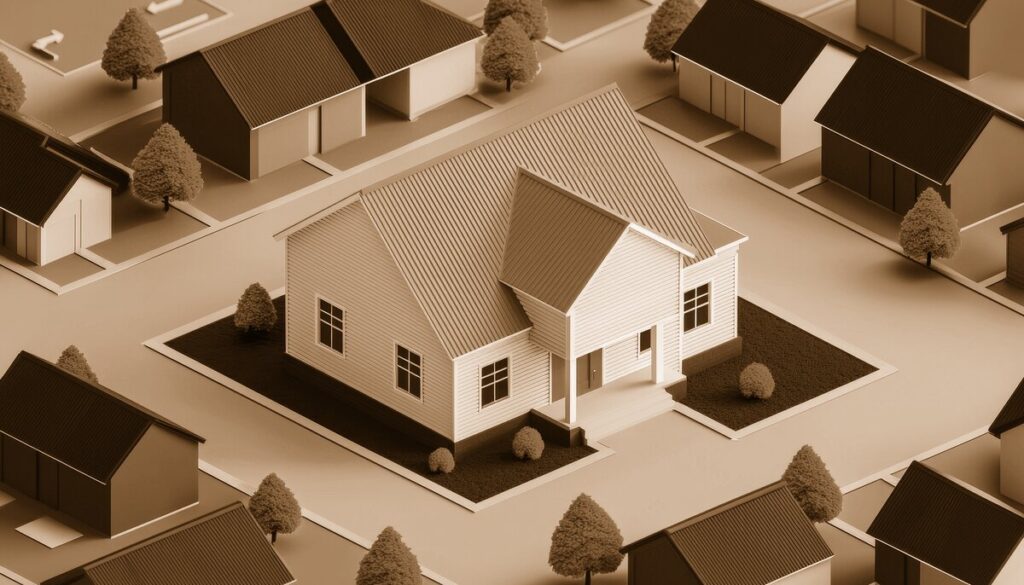
Naperville, IL, is home to a patchwork of distinct neighborhoods, each telling its own story through winding roads, bustling parks, and generations of residents. Among these, Old Farm holds a particularly cherished place in local lore. With its picturesque streets, longstanding institutions, and a name that hints at its pastoral beginnings, Old Farm is much more than just a collection of homes—it’s a legacy built on heart, heritage, and humble beginnings.
The Origins of Old Farm: From Fields to Family Homes
The story of Old Farm begins in the late 1960s and early 1970s, a period marked by Naperville’s rapid transformation from rural township to thriving suburb. The area that would become Old Farm, bordered roughly by 75th Street to the north, Washington Street to the east, and Book Road to the west, was once a patchwork of working farmland. These vast open stretches were dotted with oak trees and gently rolling fields—a landscape typical of Naperville’s pre-suburban era.
The name “Old Farm” pays homage to this agrarian heritage. Before developers broke ground, the land was owned and farmed by several local families whose roots went back generations. Stories still circulate among longstanding residents about how the community would gather for harvest seasons, and how wagon trails once traced the path of what are now busy neighborhood streets like Thornapple Drive and Old Farm Road.
Establishing a Community: The Birth of the Neighborhood
The official birth of Old Farm is traced back to the early 1970s, when developers recognized Naperville’s booming appeal for young families and professionals working in Chicago and Aurora. The first homes rose quickly, with developers seeking to echo the charm of country living while offering all the amenities of suburban life. By 1972, the earliest homeowners were settling in along Farmview Road and Fawn Lane, drawn by the promise of tree-lined streets and the tight-knit community Naperville was fast becoming known for.
Old Farm’s planners made a point to preserve the open, neighborly feel that had characterized the land. Wide yards, mature trees left standing amid the new construction, and winding cul-de-sacs became signatures of the area. It was a design that not only fostered a sense of togetherness but also ensured that the neighborhood’s rural past would never be forgotten.
Key Milestones and Memories
Old Farm’s journey from farmland to beloved neighborhood has seen its share of milestones. In the late 1970s, a pivotal development was the creation of Old Farm Park, a leafy green space situated along Old Farm Road. The park’s playground and ball fields have been a magnet for community activities—family picnics, impromptu baseball games, and the annual neighborhood block party that old-timers still recall with fondness.
Another cornerstone of the community is the Old Farm Swim & Racquet Club. Established in 1973 by forward-thinking residents, the club quickly became the centerpiece of summer life, offering a family-friendly oasis for swimming, tennis, and neighborhood get-togethers. Generations of local children have grown up learning to swim in its pool, and it remains a treasured part of Old Farm’s identity.
During Naperville’s suburban expansion in the 1980s and ’90s, Old Farm retained its sense of individuality. While nearby subdivisions sprang up almost overnight, Old Farm’s residents worked hard to keep their streets safe, picturesque, and engaged. Homeowners’ associations regularly organized beautification initiatives and community safety programs, creating the foundation for the thriving neighborhood seen today.
Landmarks and Legacy
For visitors and newer residents, several sites anchor Old Farm’s sense of place:
- Old Farm Park: With its mature trees, sports fields, and walking paths, the park is often described as the community’s “backyard.”
- Old Farm Swim & Racquet Club: Now more than fifty years old, the club isn’t just a recreation center—it’s a living link to Old Farm’s shared history.
- Scott Elementary School: Just across 75th Street, Scott Elementary has educated generations of Old Farm children, while providing a nucleus for community activities, fundraisers, and local leadership.
- Bethany Lutheran Church: While technically just outside the neighborhood, Bethany’s presence on 75th Street has provided spiritual guidance and a sense of continuity for many neighborhood families.
Take a walk down Briergate Drive, and you’ll pass split-level homes and classic ranches that are emblematic of the area’s architectural style: solid, welcoming, and built to last. Many houses still bear features chosen by their original owners, from custom woodwork to quirky backyard gardens.
Evolution Through the Decades
While Old Farm has changed with the times, it has never lost its foundational sense of community. The 2000s brought a new wave of families, many drawn by Naperville’s top-ranked schools and the area’s enduring charm. Home renovations became common, as residents revitalized original structures with modern updates without sacrificing classic curb appeal.
Today, Old Farm is a vibrant mix of original homeowners and younger families. Holiday parades, summer barbecues, and the much-anticipated “Movies in the Park” night bring people together, fostering a sense of neighborliness that newer developments sometimes lack.
At its core, Old Farm’s appeal lies in its ability to honor the past while embracing the present. It’s a neighborhood where stories are shared across generations, and where the sense of belonging runs as deep as the ancient oaks that still line its peaceful streets.
Why Old Farm Remains Special
Ask any longtime resident, and they’ll tell you: Old Farm is the kind of neighborhood where you recognize every dog walker, where children play until dusk, and where families have chosen to stay not just for the houses, but for the heartbeat of the community. Whether you’re reliving childhood memories at Old Farm Park, learning to swim at the club, or simply taking in the sunset over rolling lawns, you’re part of a tradition that has flourished for over half a century.
For those lucky enough to call Old Farm home, it’s more than just an address—it’s a living legacy, one story at a time.